
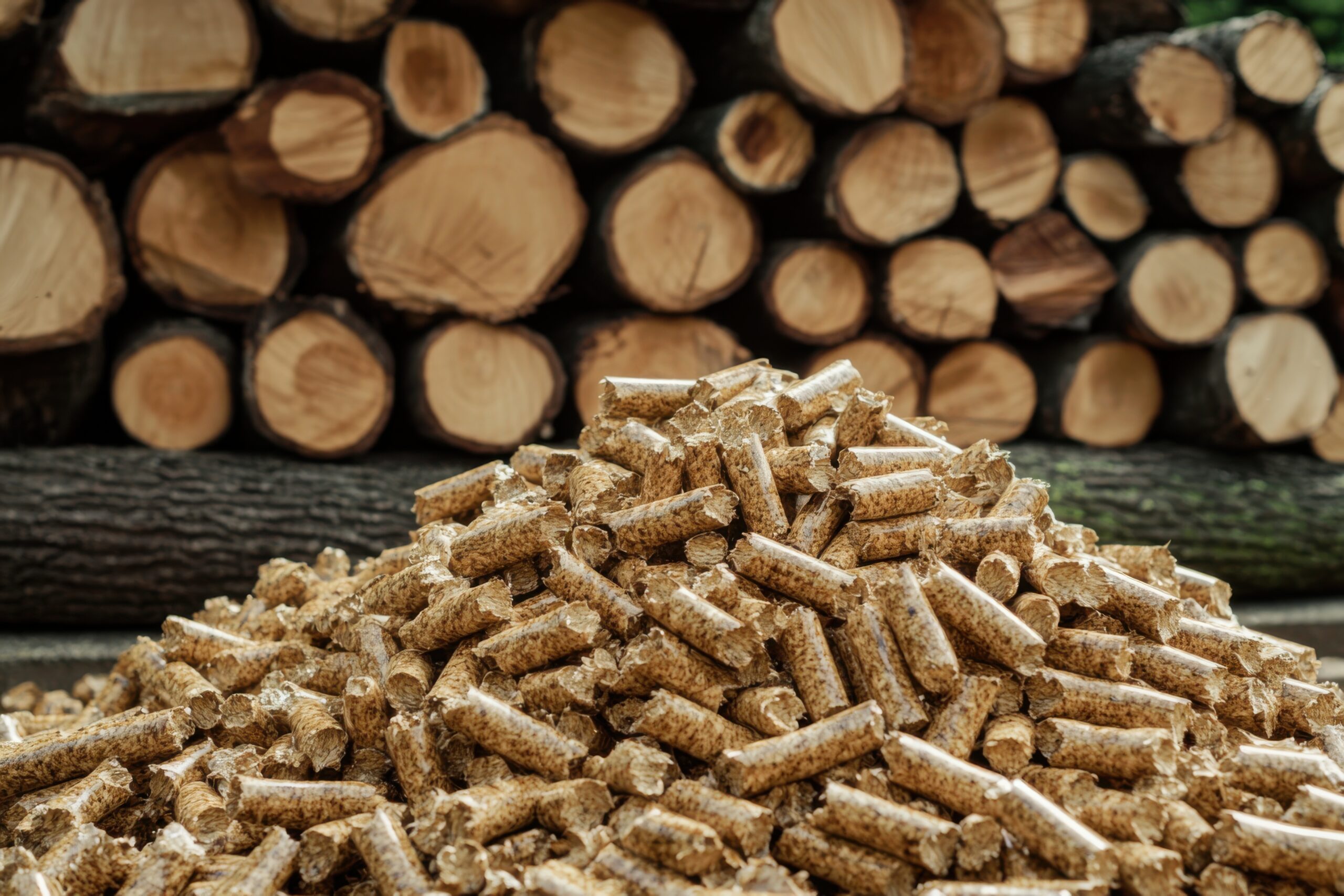
What are wood pellets? What materials are they made from and what applications can they be used in? Let’s explore some basic information about this biomass fuel that is widely used in production and daily life.
1. What materials are wood pellets made from?
Wood pellets are usually produced by compressing finely ground and dried wood material under high pressure into small cylindrical pellets.
Common materials include:
– Sawdust: A byproduct from the sawing, splitting, and processing of wood.
– Wood shavings: Wood scraps generated during processing.
– Wood processing by-products: Several types of clean wood scraps that meet production requirements.
During the compression process, the natural lignin in the wood can help bind the components without the need for added binders. However, the actual composition depends on the process and standards of each manufacturer.
2. Key Features of Wood Pellets
– Heat Generation: Wood pellets can provide heat for specialized combustion equipment. Efficiency depends on moisture content, raw material quality, and the equipment used.
– Uniform Size: The compact pellet size facilitates packaging, transportation, storage, and fuel feeding.
– Utilization of By-products: The use of sawdust and wood by-products increases the value of raw materials from the wood processing industry.
– Easy Automatic Feeding: Many combustion systems are designed to automatically feed pellets into the combustion chamber, supporting more convenient operation.
3. What are Wood Pellets Used For?
– In Industry: As fuel for boilers, furnaces, and heating systems in factories and workshops.
– In Household Use: Used for stoves or specialized heaters compatible with wood pellet fuel.
– In agriculture: Provides heat for some agricultural product drying systems, raw material drying, and other heat-requiring applications.
– In trade and export: As a biomass fuel product, it is packaged or transported in large quantities to supply markets with demand.
4. What should you consider when choosing wood pellets?
To choose the right product, you should check:
– Moisture content and calorific value of the pellets.
– Ash content after combustion.
– Size, strength, and uniformity of the pellets.
– Impurity content and origin of raw materials.
– Technical standards of the supplier and requirements of the equipment used.
Note: Not all wood pellets are of the same quality. Products for industrial boilers may have different requirements than products for household use or specific applications.
CONCLUSION
Wood pellets are products made from processed wood materials, with applications in many fields due to their convenience in transportation, storage, and use as fuel.
Understanding the material, properties, and intended use will help you choose the right type of pellet, optimizing operational efficiency and costs.
